What Does Jesus Actually Say About Himself?
Strip away every council, creed, and commentary. Go back to the Gospels and ask: in his own words, what does Jesus say about himself? The answer is more surprising than you expect.
March 30, 2026
Strip away everything that has been said about Jesus.
Every council. Every creed. Every theological commentary. Every sermon. Every doctrine.
Go back to the Gospels and ask a simple question: in his own words, what does Jesus say about himself?
The answer is more surprising than you might expect.
What he does not say
He never says: I am the second person of a co-equal Trinity.
He never says: I am of the same substance as the Father.
He never uses the word Trinity. He never delivers a systematic account of his own divine nature.
This is not a minor observation. The doctrines that have been used to define Christianity — and to exclude people who could not affirm them — are not found in the mouth of Jesus.
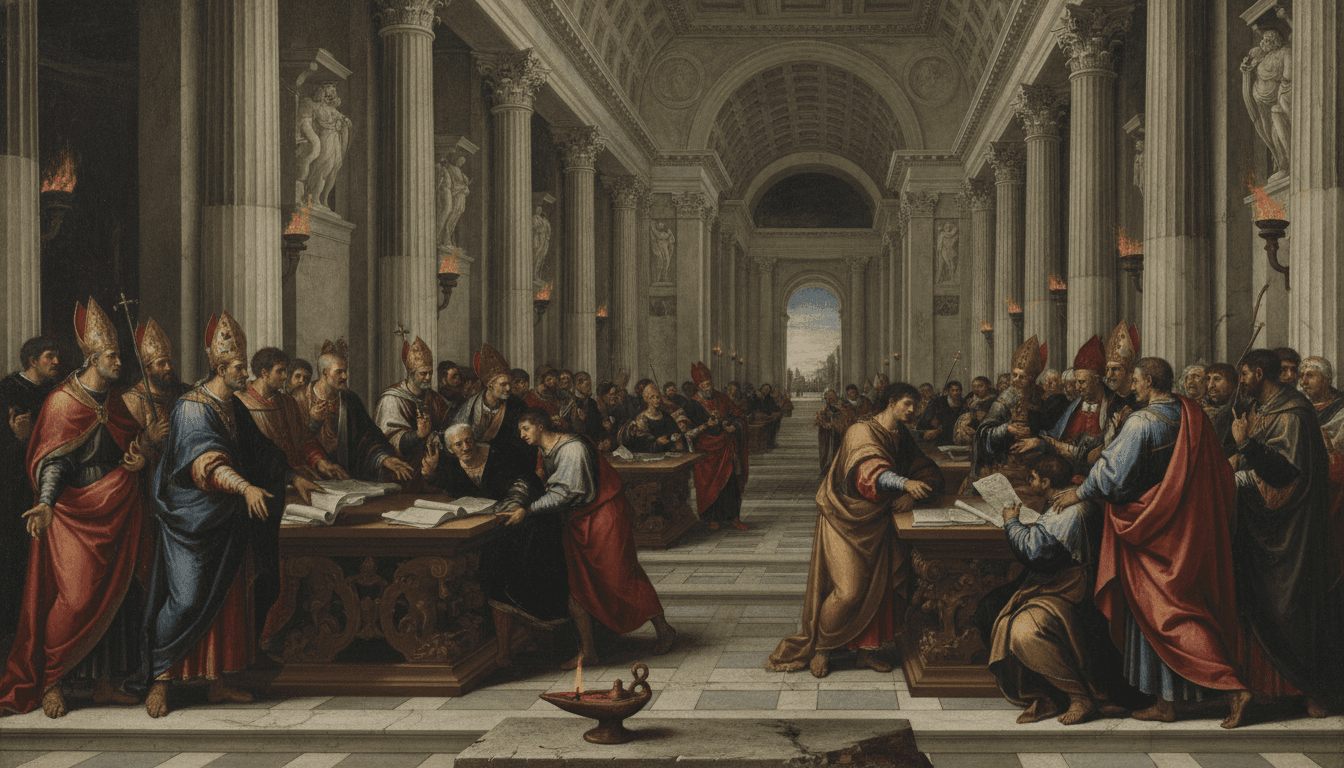
They were constructed later. By people who were trying to understand what they had experienced.
Which means the doctrines are an interpretation. Not the thing itself.
What he does say
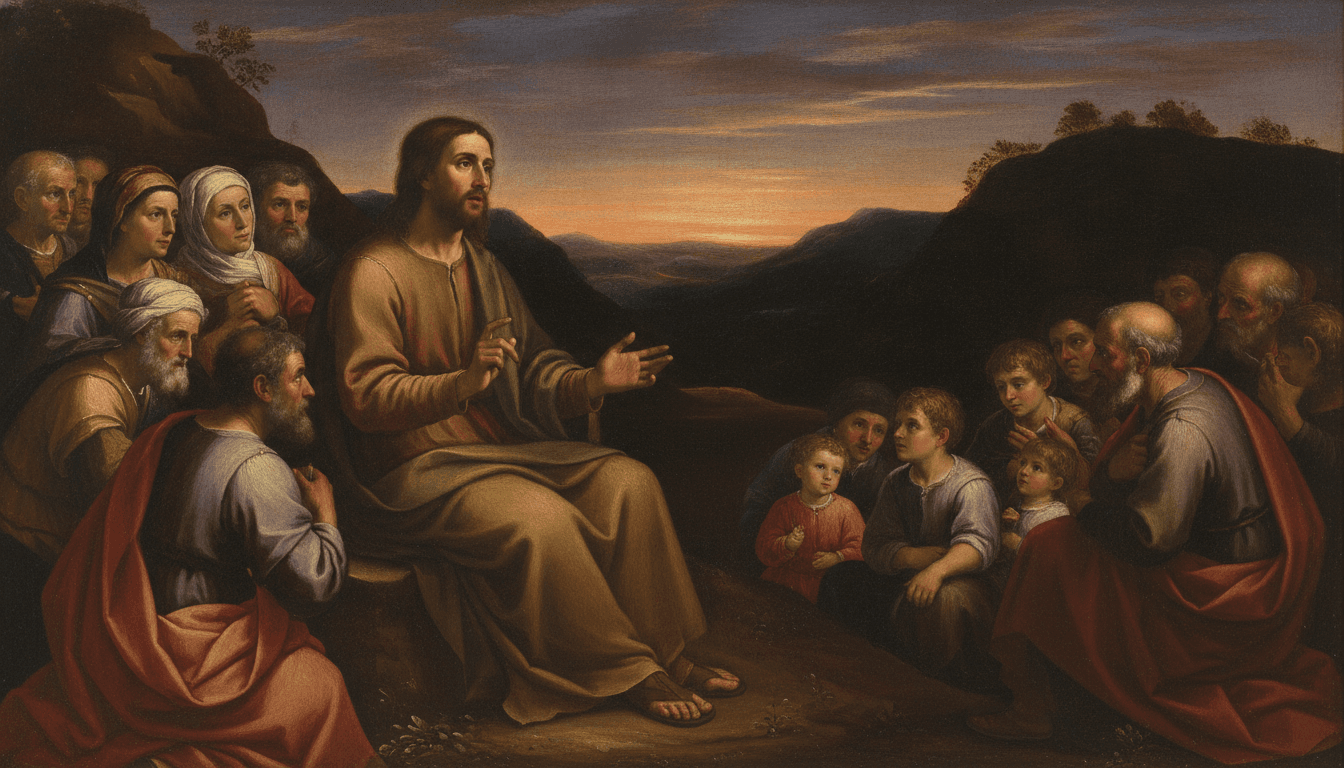
He says: I am the way, the truth, and the life. (John 14:6)
Not: I am the correct theological position. The way. A road. A direction. Something you walk.
He says: I am the light of the world. (John 8:12)
Light. Something that makes other things visible. Something that changes what you can see.
He says: I am the good shepherd. (John 10:11)
The one who goes looking when the one gets lost. The one who knows the sheep by name.
Every image he uses for himself is functional. About what he does and what he makes possible — not about what he is made of.
What he says about his relationship to the Father
He says: the Father is greater than I. (John 14:28)
He says: the Son can do nothing by himself; he can only do what he sees the Father doing. (John 5:19)
He says: I do not speak on my own authority. The Father who sent me commanded me to say all that I have spoken. (John 12:49)
There is a sender and a sent one in these statements. There is a will that submitted to another will in the garden of Gethsemane. There are two distinct persons in a relationship of agency and direction.
The Jesus of the Gospels consistently presents himself as sent from the Father, authorised by the Father, returning to the Father. Not identical to the Father.
What he says about what he came to do
He stood up in the synagogue in Nazareth on his first public appearance and read from Isaiah.
"The Spirit of the Lord is on me, because he has anointed me to proclaim good news to the poor. He has sent me to proclaim freedom for the prisoners and recovery of sight for the blind, to set the oppressed free." (Luke 4:18)
Not one word about doctrine. The poor. The prisoner. The blind. The oppressed.
He defined himself by what he had come to do. Not by what he was made of.
The question this raises
If Jesus defined himself functionally — by his mission, his relationship to the Father, his road — why did the institution redefine him metaphysically?
The result is that the Jesus of the creeds and the Jesus of the Gospels sometimes feel like different people.
One is a philosophical proposition to be affirmed.
The other is a Pioneer to be followed.
Only one of them said: come, follow me.
CATEGORY: THE INSTITUTION
Written by
Oliver T. Shepherd
Functional Faith — one question at a time.