What If We've Been Asking the Wrong Question About Jesus?
In 325 AD a council of bishops gathered to answer a question Jesus never asked. The wrong question has been running the show ever since.
March 2, 2026
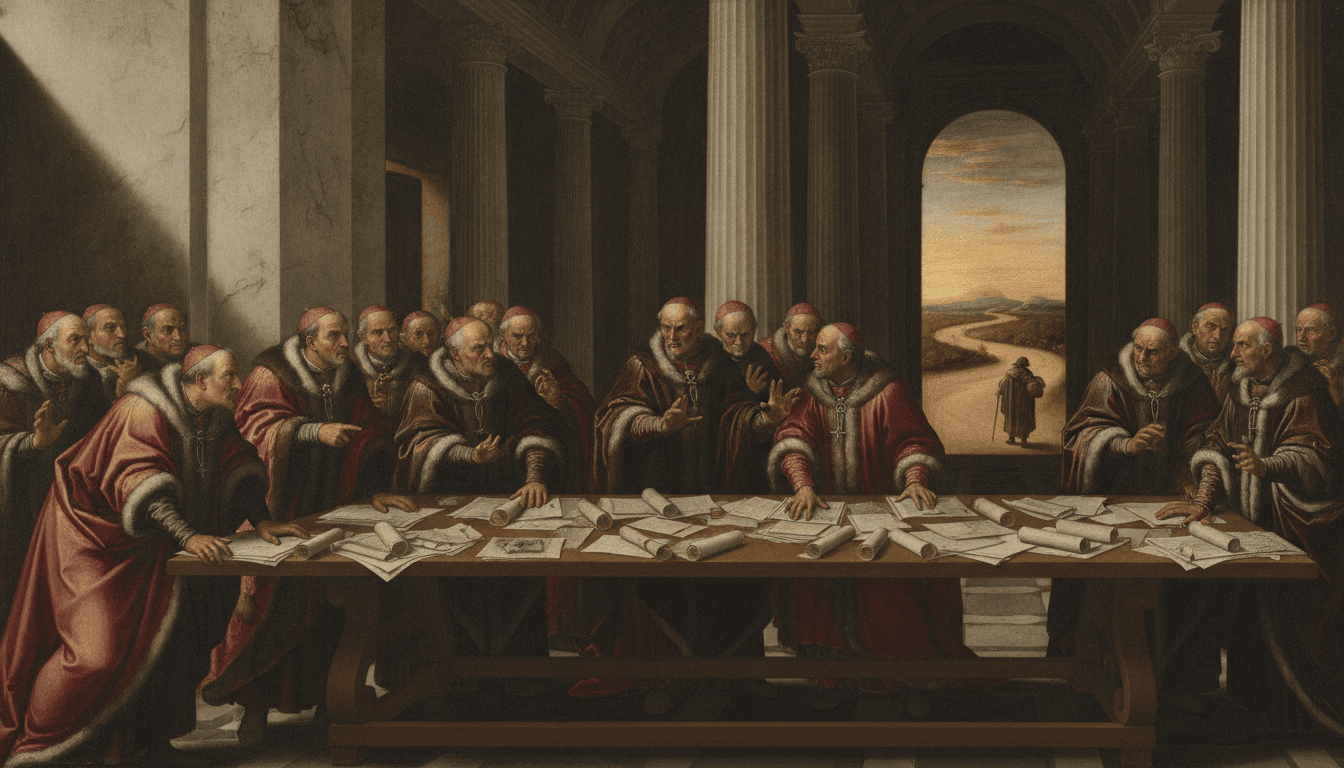
In 325 AD a council of bishops gathered in a city called Nicaea.
The Roman Emperor Constantine had called them there. He had a problem. A vast empire, fractious and difficult to govern, and a growing movement within it that was generating controversy. The movement needed to be unified. The controversy needed to be settled.
The question they gathered to answer was this: what is Jesus made of?
Is he of the same substance as God the Father? Or a similar substance? Or a created substance entirely his own?
They debated. They voted. They produced a creed.
And in doing so — with the best of intentions and the sharpest philosophical tools available — they quietly replaced the question Jesus himself kept asking.
The question Jesus actually asked
Search the Gospels for a moment.
Look for the places where Jesus asked a question of his own. Not where he answered one. Where he asked one.
"Who do you say I am?" (Matthew 16:15)
"Why do you call me Lord and not do what I say?" (Luke 6:46)
"Do you love me?" (John 21:17)
"What do you want me to do for you?" (Mark 10:51)
Not one of those questions is about substance. Not one is about metaphysical category. Not one is about the precise philosophical relationship between his nature and the Father's nature.
Every question he asked was about relationship. About action. About what you are actually doing with what you claim to believe.
The council at Nicaea answered a question Jesus never asked.
What gets lost
Here is what happens when the wrong question becomes the central one.
The test of belonging shifts from how you live to what you declare. The gate into the community — which Jesus never put a gate on — gets a lock installed. The lock requires a key. The key is the correct formula.
People who can say the words are in. People who cannot — or will not — are out.
And the people who are out are very often the people Jesus was specifically moving toward. The ones who did not fit the categories. The ones who made the establishment uncomfortable. The ones who came with need rather than credentials.
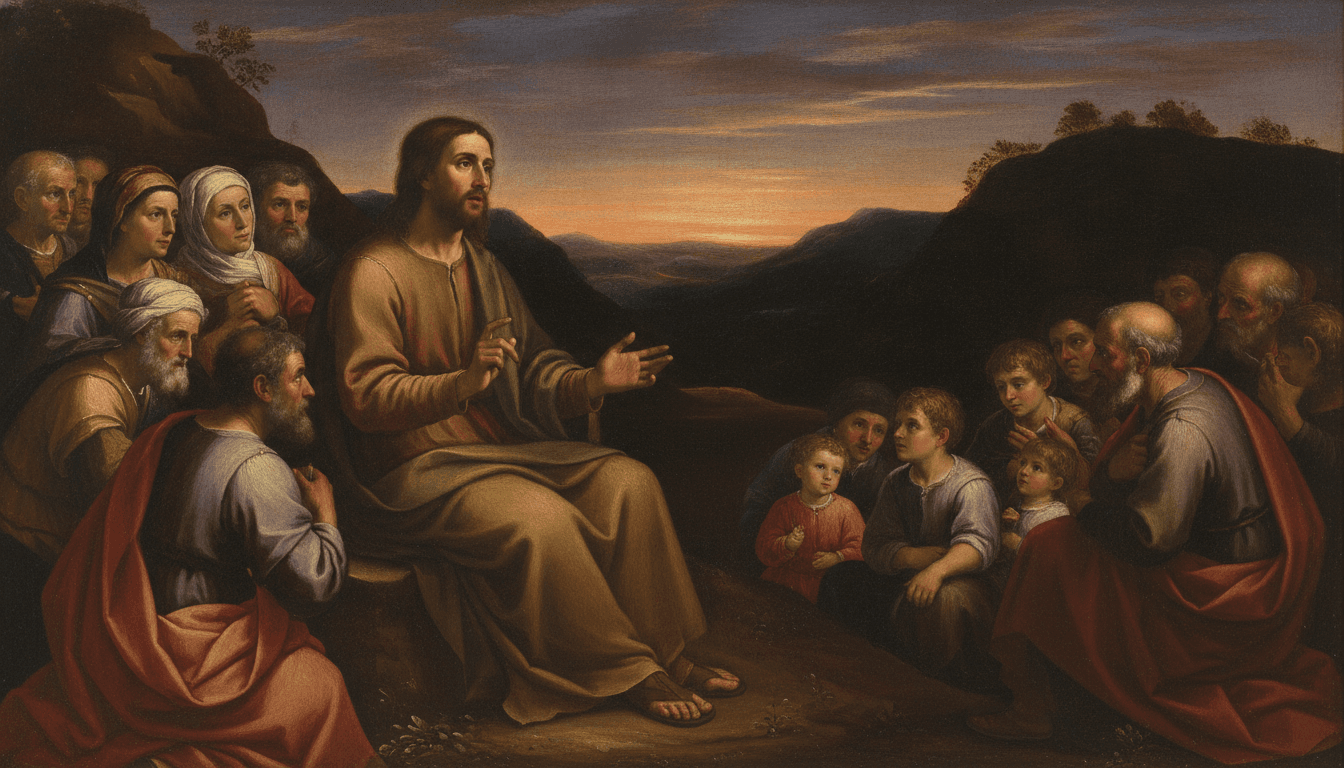
The council's question produced a gatekeeping mechanism. Jesus's question produced a road.
The Pioneer
The Letter to the Hebrews gives Jesus a title that most churches do not use.
Pioneer.
Not a philosophical proposition. Not the second person of a metaphysical formula. The one who goes first. Who enters the territory before anyone else. Who makes the path walkable for everyone who follows.
A pioneer does not descend from outside the terrain. A pioneer walks it. Feels it. Bears the same conditions as the people behind them.
That title answers the right question. Not what is he made of — but what does he do? What does his doing make possible for us? What does his life demonstrate that we are now commissioned to repeat?
When you shift from the Nicene question to the Pioneer question — everything changes.
The test of belonging becomes: are you walking the road? Not: have you correctly articulated the nature of the one who pioneered it.
What the right question produces
Ask what Jesus does and you get a mission.
Good news to the poor. Freedom for the prisoner. Sight for the blind. Liberty for the oppressed. (Luke 4:18)
That is his mission statement. In his own words. On the first day of his public ministry.
Not one word about substance. Not one word about philosophical category. Not one word about the precise relationship between his divine and human natures.
Poor. Prisoner. Blind. Oppressed.
These were his people. This was his work. Everything else — every healing, every meal with the wrong people, every confrontation with the religious establishment — was this mission in action.
Ask what he is made of and you get a creed to recite. Ask what he does and you get a life to live.
The conversation worth starting
This page exists because the wrong question has been asked long enough.
Not to start a theological war. Not to condemn the people who answered the Nicene question carefully and sincerely.
But to ask: what if we recovered the functional question? What if the central test of following Jesus was not what you declare about him but what you do because of him?
What if the narrow road was narrow because of what it costs you — not because of what it asks you to believe?
The conversation is just starting. Subscribe below so you do not miss the next one.
Written by
Oliver T. Shepherd
Functional Faith — one question at a time.