The Marble Statue and the Man in the Dirt: Two Very Different Christs
There are two versions of Jesus in circulation. They share a name. They share some stories. They are not the same person.
May 18, 2026
There are two versions of Jesus in circulation.
They share a name. They share some stories. They are not the same person.
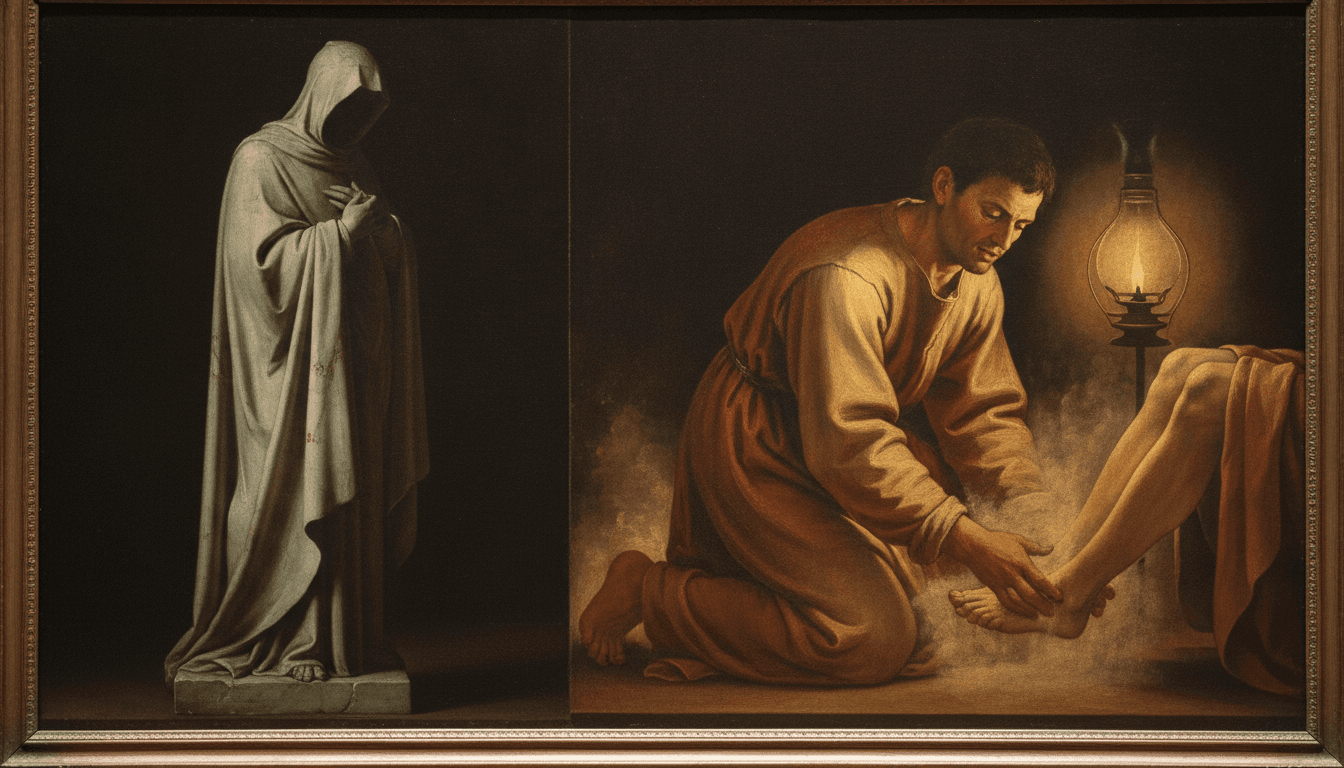
The Marble Statue
The first version is the one produced by four centuries of Greek philosophical reflection and institutional consolidation.
He is described in the language of substance and essence. He is co-eternal, co-equal, of the same nature as the Father. His suffering on the wooden pole was real — but underneath it, at the level of what he actually is, he could not ultimately be diminished or destroyed.
He is impressive. Awe-inspiring. The kind of figure who warrants grand cathedrals, soaring music, elaborate ritual.
He is also somewhat difficult to follow.
You can admire a marble statue. You cannot follow it anywhere. It does not move. It does not demonstrate a path. It stands in its place and receives reverence from a safe distance.
The Man in the Dirt
The second version is the one who emerges when you read Mark's Gospel in one sitting.
He is constantly moving. Mark's favourite word is "immediately" — immediately he healed, immediately he went, immediately he called. There is urgency to him. Direction. Purpose.
He touches a leper when no one else will. He gets in a boat with people who are terrified of the storm — and falls asleep in the stern, because the storm does not frighten him. He gets angry in the temple. He asks questions that nobody wants to answer.
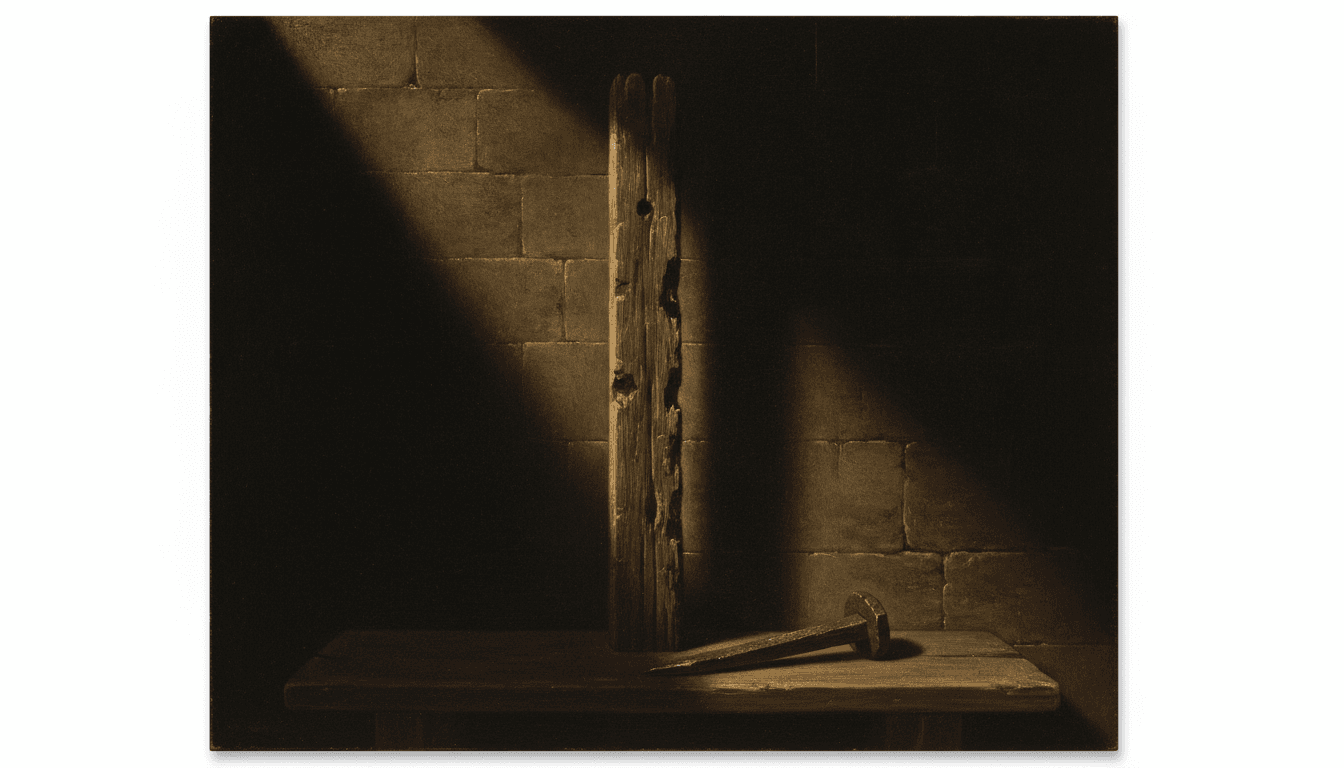
He is tired. He gets hungry. He is "deeply distressed and troubled" in the garden of Gethsemane. He cries out from the wooden pole that God has forsaken him.
He is not performing these things. He is experiencing them. He is in the dirt of human existence — under the full pressure of what it means to be a creature in a broken world — and he holds the shape of love anyway.
Why the distinction matters
The Marble Statue impresses you. It does not change you. You can admire it indefinitely without being called to do anything differently.
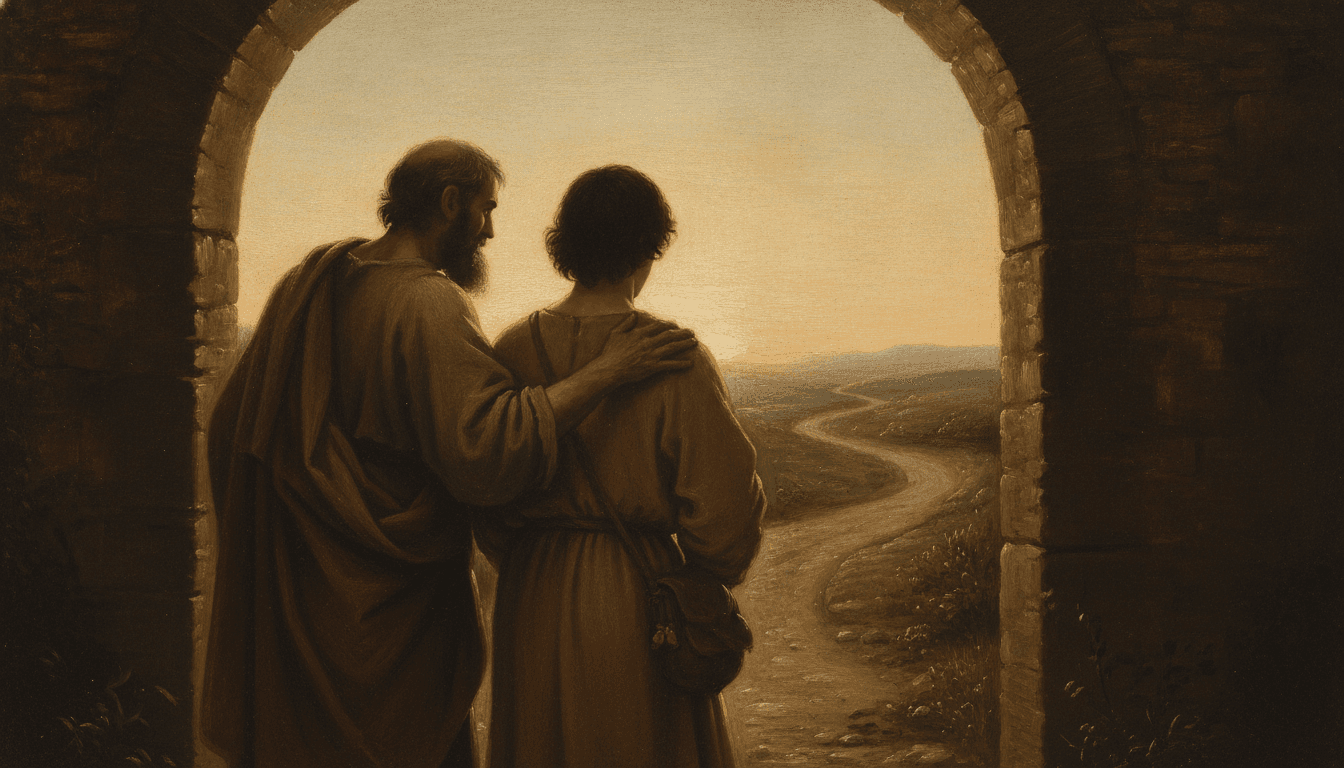
The Man in the Dirt commissions you. He goes first — and then he turns around and says: as the Father sent me, I am sending you. He demonstrates what it looks like to live a human life fully given over to God — and then he tells you to live that life.
You cannot follow a marble statue. You can follow a pioneer.
What following actually looks like
It looks like crossing the road when you would rather walk past.
It looks like sitting with someone whose situation makes you uncomfortable — before you say a word, before you offer advice — just as he sat with people first.
It looks like the costly generosity that gives what it cannot afford to lose.
It looks like the enemy loved, the debt forgiven, the stranger welcomed, the prisoner visited.
The Man in the Dirt showed it was possible.
The Marble Statue never claims to show you anything. It only claims to be worshipped.
The choice
Both versions have been offered to you.
The institution has generally preferred the Marble Statue. It is easier to manage.
The Pioneer is considerably more disruptive. He asks what you are doing with what you have. He points to the person in front of you as the test of the doctrine behind you.
The Man in the Dirt is harder to manage than the Marble Statue.
He is also the one worth following.
Written by
Oliver T. Shepherd
Functional Faith — one question at a time.