The Gatekeeper Problem: Who Is Actually Standing at the Door?
Jesus had a specific, repeated, pointed critique of the religious leaders of his day. Not that they were immoral. He said they were blocking the door.
April 27, 2026
Jesus had a specific, repeated, pointed critique of the religious leaders of his day.
Not that they were immoral. Not that they did not believe in God. Not that they were insufficiently devout.
He said they were blocking the door.
"Woe to you, teachers of the law and Pharisees, you hypocrites! You shut the door of the kingdom of heaven in people's faces. You yourselves do not enter, nor will you let those enter who are trying to." (Matthew 23:13)
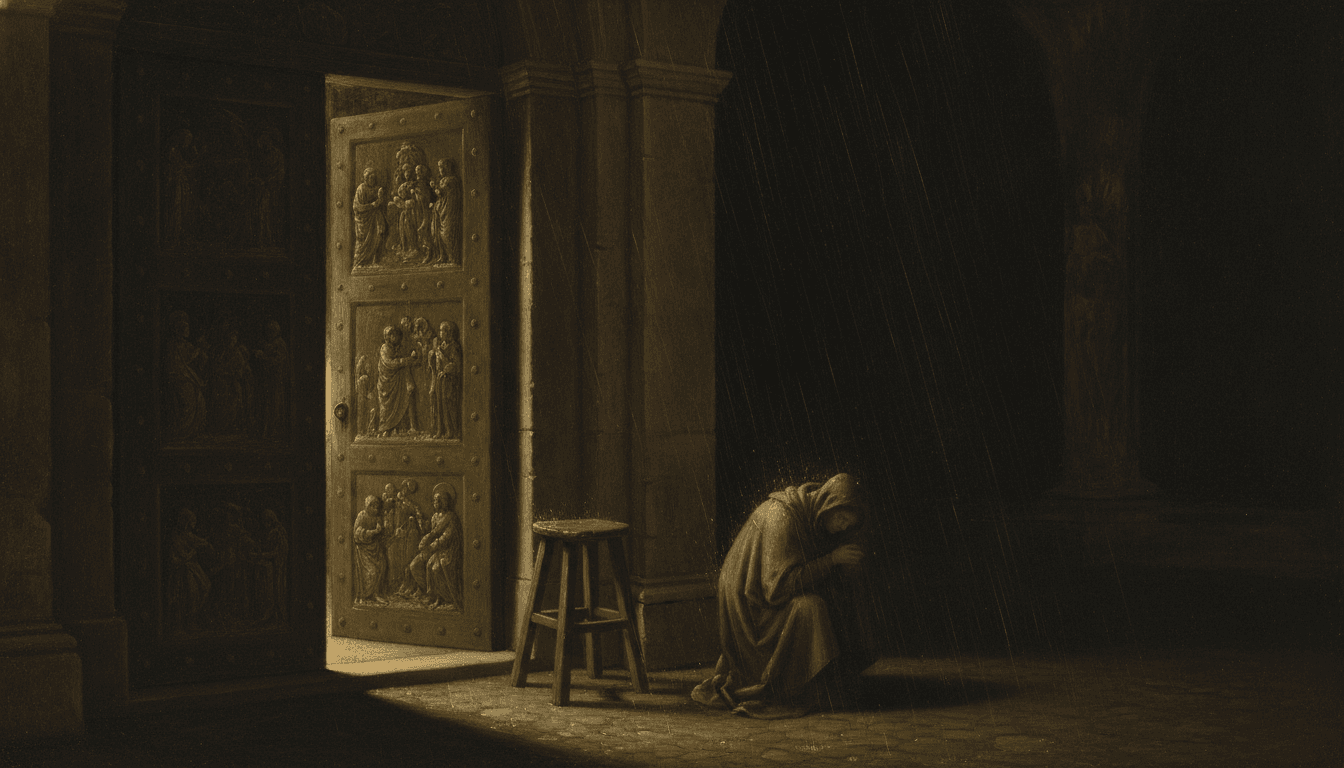
Shut the door in people's faces.
This is a specific accusation. Not general moral failure. The active blocking of people who are trying to get in.
Who the gatekeepers were
The Pharisees were the religious professionals. The experts. The people who had devoted their lives to knowing the law and teaching it correctly.
They genuinely believed they were protecting something sacred. That the requirements they imposed were necessary. That allowing just anyone in — without proper preparation, without correct observance, without the right credentials — would dilute and destroy what they were guarding.
Their gatekeeping was motivated by love for the tradition.
The problem was that the tradition had become the thing they were protecting — rather than the people the tradition existed to serve.
Who Jesus kept walking toward
Read the Gospels looking for who Jesus moves toward when he enters a town.
The leper who had to warn approaching strangers by crying unclean. The tax collector sitting in his booth. The woman of the street who wept on his feet. The Samaritan at the well. Blind Bartimaeus shouting from the roadside while the crowd told him to be quiet.
Every one of them was on the wrong side of the gatekeeper's door.
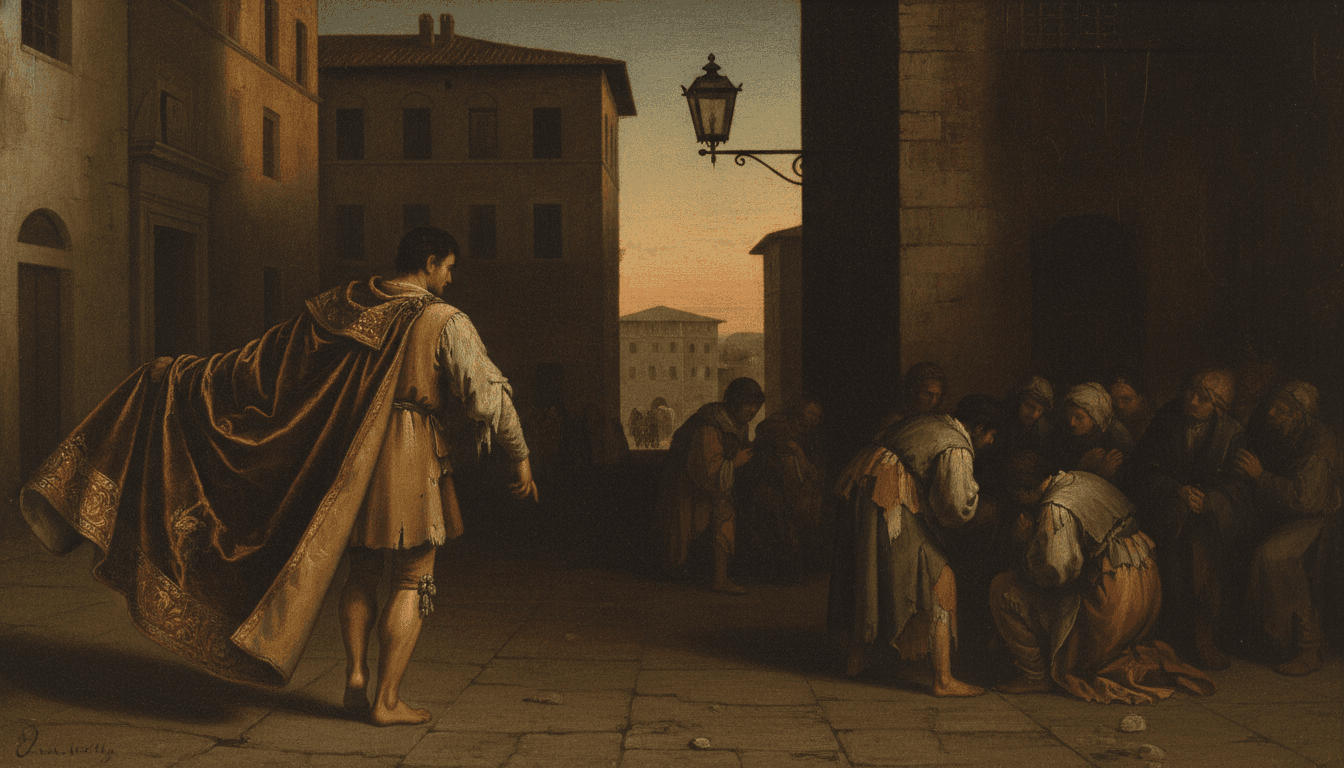
Jesus walked toward all of them. Before they cleaned up. Before they demonstrated they were serious. Before they earned it.
The gatekeeper said: prove you belong and then you may enter. Jesus said: come in, and the belonging will happen on the road.
The gatekeeper's logic
The gatekeeper's logic is seductive because it sounds responsible.
You cannot just let anyone in. Standards matter. Requirements protect the integrity of the community.
This logic sounds like wisdom. It has been used to justify exclusion for two thousand years.
But it fails on the evidence of the Gospels.
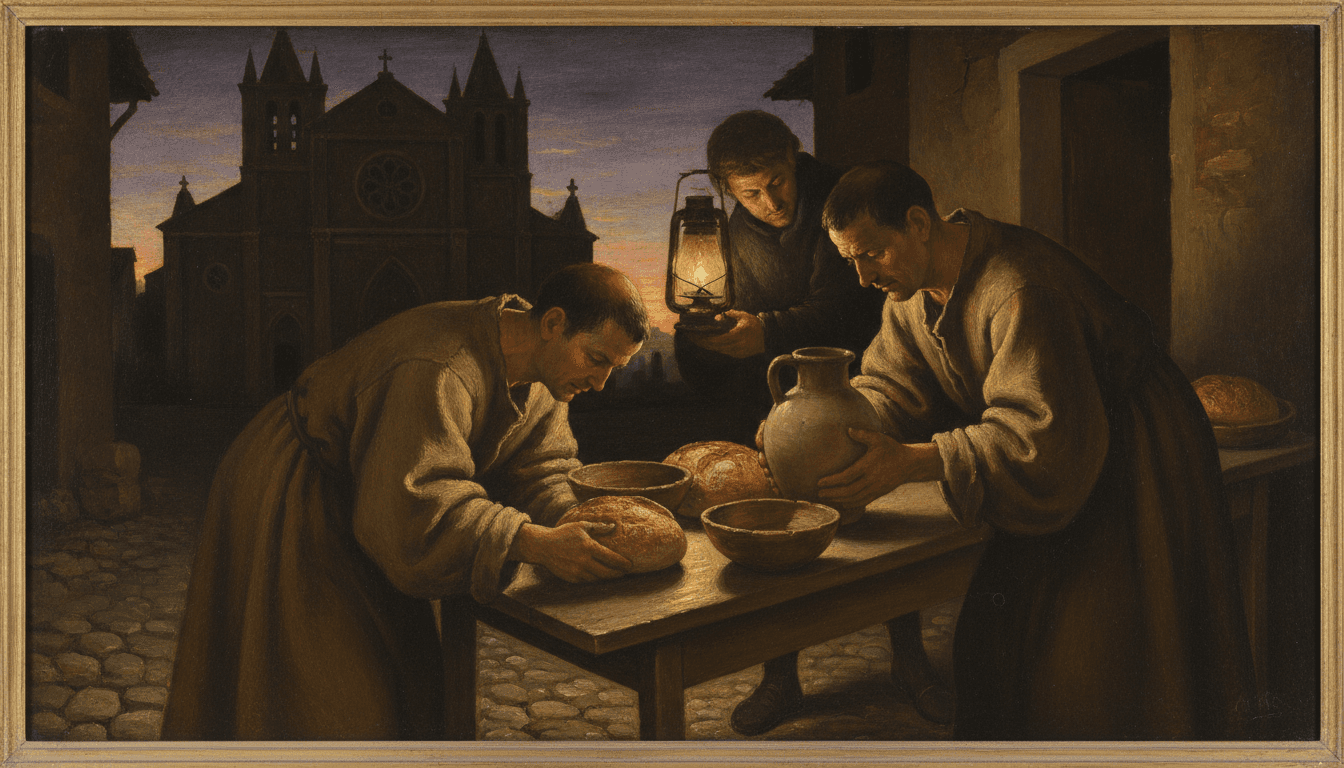
Jesus did not have a purity audit at the door. He healed first. Fed first. Forgave first. Sat with people first.
The road did the forming. Not the entrance requirement.
The field hospital
Someone once described the church as a field hospital.
In a field hospital, the only criterion for entry is that you are wounded. You do not have to have cleaned up your wounds before you come in. You do not have to have demonstrated that you are serious about your recovery.
You just have to get through the door.
The church that has become a country club — with membership criteria and approved behaviour — has inverted its own purpose.
It is keeping out the very people it was built to receive.
And the ones it is keeping out are exactly the ones Jesus was specifically moving toward.
The gatekeeper is not protecting the Kingdom. The gatekeeper is blocking it.
Written by
Oliver T. Shepherd
Functional Faith — one question at a time.