Burned for the Wrong Word: The People the Church Got Wrong
The history of the church is not only a history of faithfulness. It is also a history of the institution turning on the people who were most faithfully following Jesus.
May 4, 2026
The history of the church is not only a history of faithfulness.
It is also a history of the institution turning on the people who were most faithfully following Jesus.
This is not a comfortable thing to say. It needs to be said anyway.
Arius of Alexandria
Arius was a priest in Alexandria in the early fourth century.
He was reading the scriptures carefully and following the logic where it led. He concluded that the Son was the first and greatest of all that God had made — the supreme agent of the One God, through whom everything else was created — but that the Son had a beginning, and the Father did not.
He was asking serious questions about serious texts.
At Nicaea in 325 AD he was condemned. His books were burned. He was exiled. His followers were persecuted.
He died in 336 AD — the circumstances disputed, possibly poisoned by his opponents.
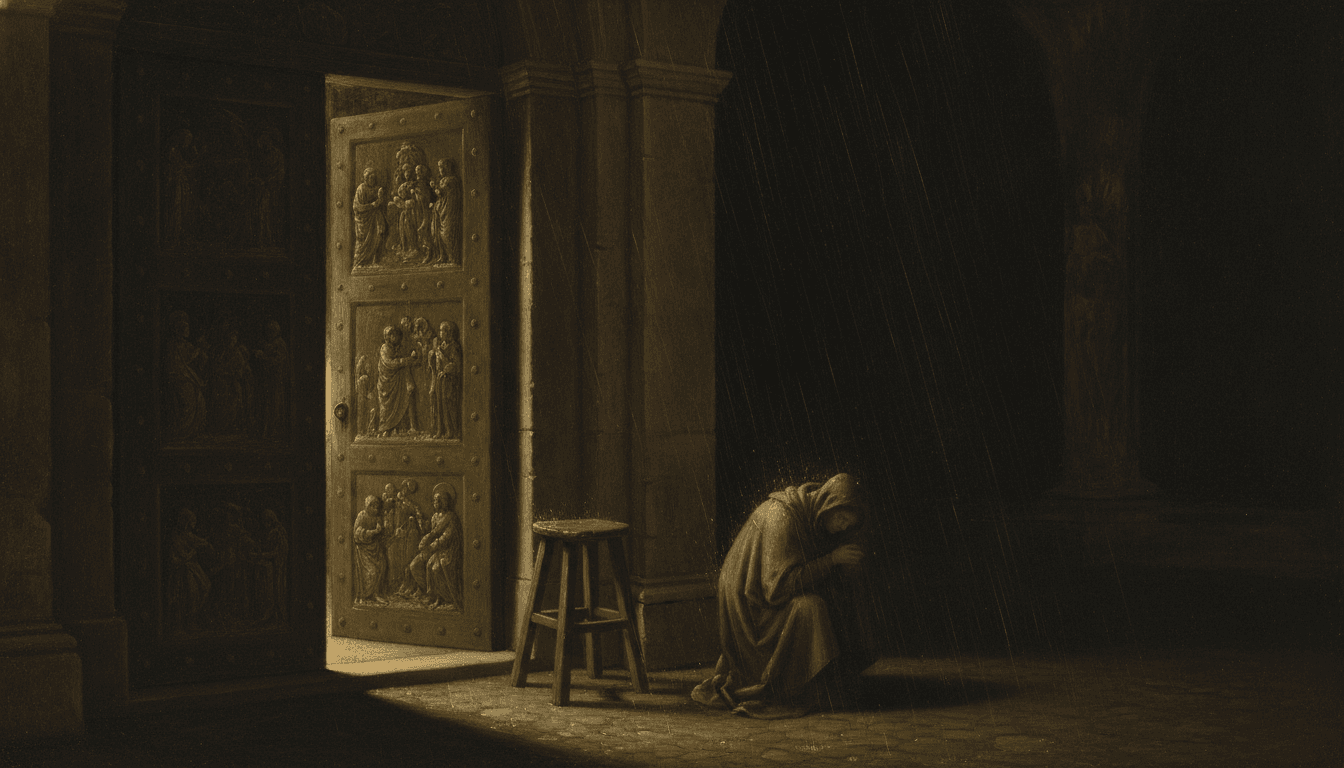
He deserved better than he received. Not because he was necessarily right about everything. Because he was asking the right questions. And the response of the institution was not to answer them — it was to eliminate him.
Jan Hus
Jan Hus was a Czech priest and reformer in the early fifteenth century.
He read scripture. He preached what he found. He argued that the church had no authority to override scripture.
He was called to the Council of Constance in 1415, promised safe conduct, and arrested anyway.
He was burned at the stake on July 6, 1415.
His crime was reading the Bible carefully and acting on what he found.
One hundred years later Martin Luther started the Reformation. Luther stood on Hus's shoulders — and Hus paid for the ground Luther stood on with his life.
The Waldensians
Peter Waldo was a wealthy merchant in Lyon in the twelfth century.
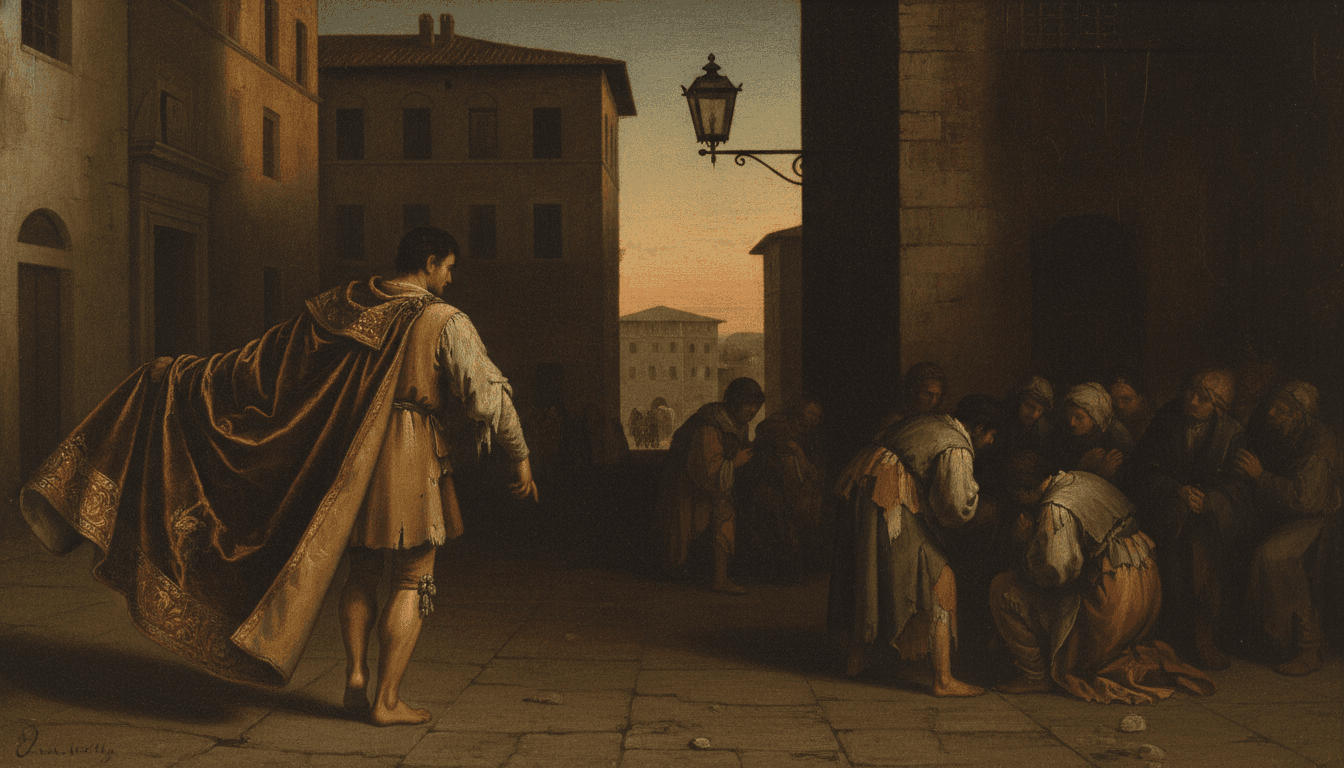
He gave everything away. He formed a community committed to reading scripture in the common tongue, living in voluntary poverty, and serving the poor.
The church condemned them. Crusades were launched against them. Hundreds of thousands were killed over the following centuries.
Their crime: reading the Bible and feeding the poor.
They survived in hidden valleys in the Italian Alps. The Waldensian church exists today. In the same valleys.
The pattern
The pattern is consistent across the centuries.
Someone reads the Gospels carefully. Notices the gap between what Jesus said and what the institution is doing. Lives differently. The institution feels threatened. Labels them heretics. Suppresses them.
And the next generation of the institution often honours the very people their predecessors condemned.
Luther is celebrated by Protestants. Francis of Assisi is celebrated by Catholics. Hus is celebrated by everyone — five centuries after they burned him.
What this means
It means the institution's judgment about who is in and who is out has a very poor historical track record.
The people it condemned as heretics were often asking the most faithful questions. Living the most costly lives. Following the Pioneer most closely.
If you are someone whose questions have been called dangerous — you are in good company.
The Pioneer was executed by the religious and political establishment of his day.
He was not the first. And the people who followed him most closely were rarely the ones the institution approved of.
CATEGORY: THE PIONEER
Written by
Oliver T. Shepherd
Functional Faith — one question at a time.